
Why Maintenance Matters More in Edmonton Than Anywhere Else
In most parts of Canada, garage door maintenance is a sensible precaution. In Edmonton, it’s practically a necessity. With winter temperatures that can drop below minus 40°C during cold snaps, rapid freeze-thaw cycles, heavy snowfall, and corrosive road salt tracked in by vehicles, Edmonton garage doors operate under conditions that are simply more demanding than those in almost any other major Canadian city.
The good news is that a comprehensive seasonal maintenance routine, the kind that takes less than two hours to perform can extend the life of your garage door system by years, prevent the most common breakdown scenarios, and keep your family safe through even the harshest Alberta winter. This checklist covers every major component of your garage door system, explains what to look for, and tells you honestly which tasks are safe to perform yourself and which ones require a professional.
Whether you’re in Edmonton, St. Albert, Leduc, Beaumont, Spruce Grove, or Fort Saskatchewan, this guide will walk you through a complete pre-winter tune-up so you can face the cold season with confidence.
When to Perform Your Garage Door Winter Maintenance
The ideal time for a winter maintenance inspection is late September to mid-October after the summer heat has passed and before the first serious freeze. This gives you time to address any issues before they become emergency repairs, and ensures that lubricants, weatherstripping, and tension adjustments are optimised for cold-weather operation before they’re actually needed.
A secondary spring maintenance check in March or April is also recommended to address any winter damage and prepare the door system for the humidity and temperature swings of Alberta spring.
Part 1: Visual Inspection – What to Look For
Panels and Frame
Begin with a thorough visual inspection of every panel on the door. Look for dents, cracks, or warping. Small dents are typically cosmetic and do not affect function; however, larger dents or cracks in the panel itself can compromise the structural integrity of the door and reduce its insulation value. Warped panels particularly in steel or composite doors can prevent the door from sealing properly against the frame, allowing cold air, moisture, and pests to enter the garage.
Check the door frame and surrounding structure for signs of wood rot, deteriorating caulking, or gaps where the door meets the frame. These are common moisture entry points in Edmonton, where rain and snowmelt can seep into the structure during freeze-thaw cycles.
Hardware: Hinges, Rollers, and Brackets
With the door closed, visually inspect all hinges, rollers, and track brackets. Hinges should be firmly attached to the door panels with no visible cracking or deformation. Nylon rollers which are significantly quieter than steel rollers and do not require lubrication should show no visible chips, cracks, or wobbling in the roller housing. Steel rollers should turn freely without grinding.
Check all track mounting brackets for loose bolts. Vibration from daily operation can loosen brackets over time, particularly in colder months when metal contracts. Tighten any loose bolts with a socket wrench, but do not over-tighten, as this can strip the mounting hardware.
Part 2: Testing Balance and Alignment
This is one of the most important and most frequently skipped steps in home garage door maintenance. Here’s how to perform a basic balance test:
- Disconnect the opener by pulling the red emergency release cord (usually hanging from the trolley carriage)
- Manually lift the door to about waist height and release it
- A properly balanced door should remain stationary (or drift very slowly). If it falls quickly or shoots upward, the spring tension is improperly calibrated
- Reconnect the opener after testing
An unbalanced door forces the opener motor to work significantly harder with every cycle, accelerating wear on the motor, the drive system, and the springs. It also creates a safety hazard, as an improperly balanced door can fall unexpectedly. If your door fails the balance test, call a professional to adjust the spring tension do not attempt to adjust torsion spring tension yourself.
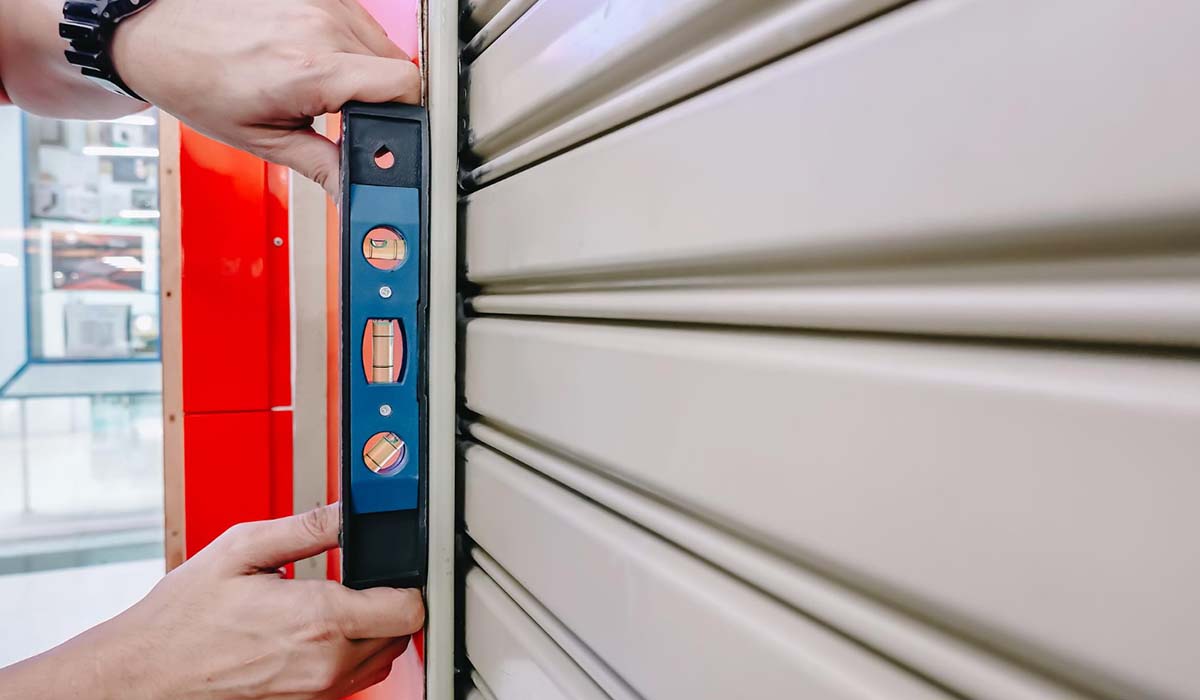
Check the track alignment by looking for gaps between the rollers and the track, and ensure the vertical sections of the track are perfectly plumb. Tracks that are even slightly out of alignment create friction that stresses the entire door system.
Part 3: Lubrication – The Most Important Thing You Can Do
Lubrication is the single most impactful DIY maintenance task you can perform on a garage door. It reduces friction, prevents corrosion, and significantly extends the life of every moving metal component. The critical rule in Edmonton is to use the right lubricant for cold-weather conditions.
Use a white lithium grease spray or a silicone-based lubricant rated for temperatures down to at least minus 40°C. Apply lubricant to the following components:
- Torsion springs: apply a light coat along the length of the spring, working it into the coils never spray with the door in motion
- Hinges: apply at every hinge pivot point
- Rollers: if steel rollers, apply to the axle bearing and roller surface; nylon rollers should not be lubricated
- Tracks: apply a thin coat to the inside of the vertical track sections only do not lubricate the horizontal sections as this creates dirt accumulation
- Opener chain or screw drive: if applicable, apply lubricant per the manufacturer’s recommendation
What to avoid: WD-40 is a penetrating oil, not a lubricant, and evaporates quickly in cold weather. Thick grease should also be avoided, as it attracts dirt and can gum up in freezing temperatures.
Perform this lubrication in late October and again in February or early March for optimal winter performance.
Part 4: Weatherstripping and Seals
Weatherstripping protects your garage from the elements in three critical locations: the bottom seal (the rubber strip along the bottom of the door), the side seals (running vertically along the door frame), and the top seal (horizontal across the top of the door opening).
Inspect the bottom seal carefully. Edmonton’s freeze-thaw cycles are particularly hard on rubber seals they can crack, harden, tear, or detach entirely. A damaged bottom seal allows cold air, moisture, rodents, and insects to enter the garage. Replace the bottom seal if you see any cracking, gaps, or significant deterioration.
Side and top seals should be inspected for gaps and flexibility. In very cold weather, old seals can become stiff and lose their compression, allowing drafts even when the door appears fully closed. Replacing all three seals as part of a seasonal maintenance routine is an investment that pays for itself in reduced heating costs and moisture protection.
Part 5: Safety Feature Testing
Canadian safety standards require residential garage doors to have functioning auto-reverse mechanisms. Test yours with this simple procedure:
- Place a 2×4 piece of lumber flat on the floor directly under the centre of the door
- Press the close button on your remote or wall button
- When the door contacts the wood, it should immediately reverse direction if it does not, the auto-reverse force is set too high and must be adjusted
Test the photo-eye sensors (the small devices mounted near the floor on either side of the door) by waving your hand through the beam while the door is closing. The door should immediately reverse. If it does not, clean the sensor lenses with a dry cloth Edmonton’s dusty summers and winter salt spray frequently coat these lenses and cause false failures.
Check that the manual release cord is accessible and clearly visible. In the event of a power outage during a winter storm, you should be able to easily identify and use the manual release without fumbling in the dark.
Part 6: When to Call a Professional
The following tasks should always be performed by a certified garage door technician rather than attempted as DIY:
- Spring tension adjustment or replacement – torsion springs are under extreme tension and can cause serious injury if improperly handled
- Cable replacement – garage door cables are under load from the spring system and pose similar safety risks
- Track realignment – improper realignment can cause the door to bind, jam, or come off the track while in operation
- Opener motor and circuit board diagnosis – electrical issues require proper diagnostic tools and understanding of garage door opener wiring
A professional annual tune-up at Fix in Budget Garage Door Services covers all of these tasks plus everything in this checklist for a transparent flat-rate price. Our technicians carry the parts most commonly needed during tune-ups, so issues identified during the inspection can typically be resolved in the same visit.
