- Home
- About Us
- Services
- Broken Garage Door Cable
- Broken Garage Door Repair
- Broken Garage Door Spring
- New Garage Door Installation
- Garage Door Maintenance
- Garage Door Opener Repair
- Garage Door Roller Replacement
- Garage Door Panel Replacement
- Garage Door Sensor Repair
- Emergency Garage Door Repair
- Same-Day Garage Door Repair
- Insulated Garage Doors
- Commercial Door Repair
- Commercial Door Spring Repair
- Commercial Door Cable Repair
- Commercial Door Opener Repair & Installation
- Garage Door Track Repair & Alignment
- Our Work
- Service Area
- Blog
- Contact Us
Need Help? Talk to an Expert
- Home
- About Us
- Services
- Broken Garage Door Cable
- Broken Garage Door Repair
- Broken Garage Door Spring
- New Garage Door Installation
- Garage Door Maintenance
- Garage Door Opener Repair
- Garage Door Roller Replacement
- Garage Door Panel Replacement
- Garage Door Sensor Repair
- Emergency Garage Door Repair
- Same-Day Garage Door Repair
- Insulated Garage Doors
- Commercial Door Repair
- Commercial Door Spring Repair
- Commercial Door Cable Repair
- Commercial Door Opener Repair & Installation
- Garage Door Track Repair & Alignment
- Our Work
- Service Area
- Blog
- Contact Us
- Same-Day Garage Door Repair in Edmonton
- Emergency Garage Door Repair in Edmonton
- Garage Door Track Repair and Alignment in Edmonton
- Garage Door Panel Replacement in Edmonton
- Garage Door Sensor Repair in Edmonton
- Insulated Garage Doors in Edmonton
- Commercial Overhead Door Spring Repair in Edmonton
- Commercial Overhead Door Cable Repair in Edmonton
- Commercial Overhead Door Opener Repair & Installation in Edmonton
- Broken Garage Door Repair in Edmonton
- Broken Garage Door Spring Edmonton
- Garage Door Opener Repair & Install Edmonton
- Garage Door Installation Edmonton
- Broken Garage Door Cable Edmonton
- Garage Door Roller Replacement Edmonton
- Garage Door Maintenance Edmonton
- Commercial Overhead Door Repair, Installation & Maintenance in Edmonton
Contact Us
Working Hours:
24/7 Emergency Garage Door Service
We are open 24 hours a day, 7 days a week to handle urgent repairs and service needs anytime.
Get In Touch:
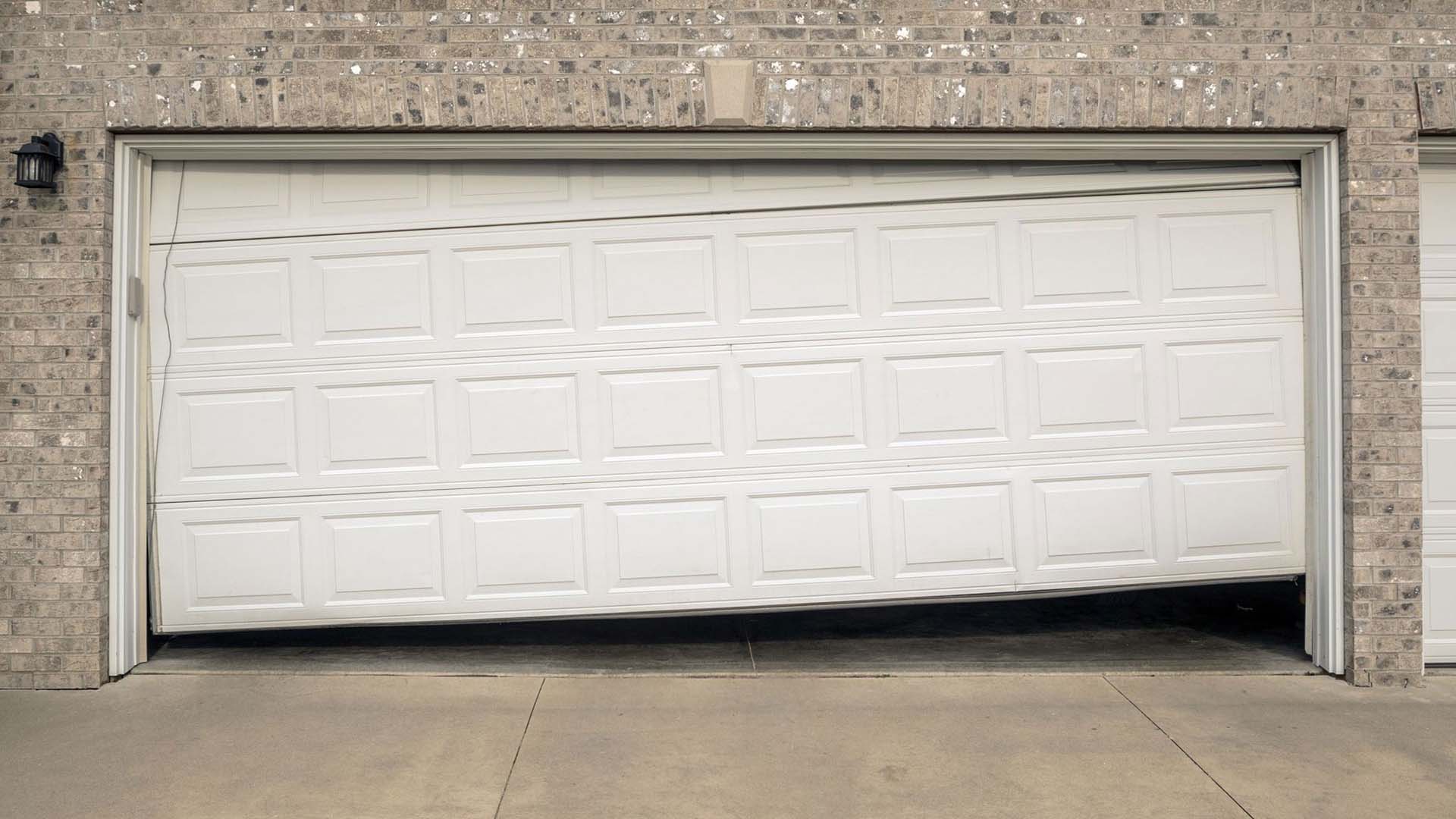
If the operator on your warehouse, shop or loading dock door has stopped working, the cause is not always the operator. A worn spring, a bad cable or a blocked safety sensor can make a good operator stop, hum or trip. In Edmonton and Nisku we repair and install commercial overhead door operators, and we check the door first so the new or repaired operator is not asked to do a spring’s job. We quote the work in writing before we start. Call 780-908-0907. We are open 24 hours a day, 7 days a week.
A door that will not move on its operator may be heavy or out of balance because of a broken spring or cable. Do not pull the manual release, lift the door by hand or open the operator cover until a technician checks it. Do not bypass photo eyes or safety edges. They are what stop the door from closing on a person or a vehicle. Keep staff and vehicles clear and call us.
Signs a Commercial Door Operator Needs Repair
| What you see or hear | What it usually means |
|---|---|
| The motor hums, but the door does not move | A broken spring, a stuck door or a failed motor start part |
| The door opens, but will not close | A photo eye is blocked or out of line, or a safety edge has failed |
| The door stops part way, or reverses | The limits need setting, the door is binding or a sensor is tripping |
| The operator trips the breaker | An overloaded motor, a wiring fault or a door that is too heavy for the unit |
| The door runs crooked or jerks | Cables or drums are worn, or the springs are uneven |
| The motor runs hot or smells | An underspec operator, a heavy door or a failing motor |
| The remote, keypad or card reader does not work | A dead battery, a lost signal, a failed receiver or a wiring fault |
| A grinding or clicking sound | Worn gears, a loose chain or a damaged drive part |
| The door works after a reset, then fails again | A control board or limit fault |
If the door is heavy by hand, or one side hangs lower, check the springs and cables before you blame the operator. See our commercial spring repair and commercial cable repair pages.
Types of Commercial Door Operators
The type of door and its track decides the operator. We help you choose and quote it.
| Operator type | How it works | Best for |
|---|---|---|
| Trolley | Mounts on the ceiling and pulls the door along the track | Standard lift sectional doors with moderate use, usually the lowest cost |
| Jackshaft | Mounts on the wall beside the door and turns the torsion shaft | High-lift and vertical-lift doors, rolling steel doors and rooms with little headroom |
| Hoist | A jackshaft unit with a chain you can pull by hand | Heavy or tall doors, and places that need a manual backup in a power cut |
| Gearhead | A heavy-duty drive for continuous use | Busy docks and distribution doors |
If you are not sure which type you have, send a photo.
How Many Cycles Does Your Operator Need?
An operator is rated for a duty level. Using a light operator on a busy door is the most common reason for early failure.
| Door use | Typical cycles per day | Operator duty |
|---|---|---|
| Light | Up to about 12 | Light or medium duty, such as a small shop or storage |
| Standard | Up to about 25 | Medium or industrial duty, such as an auto shop or receiving door |
| Heavy | 50 or more | Industrial, continuous duty, often three-phase power |
Signs the operator is too small for the door include a tripped breaker, a hot motor, stripped drive parts and slow, laboured travel. In that case, repair may only delay the next failure, and we will say so.
Commercial Operator Repair: What We Fix
- Motors, motor start parts and control boards
- Limit switches and travel settings
- Gears, chains, belts and drive parts
- Wiring, disconnects and breaker problems
- Remote, keypad, card reader and loop detector faults
- Photo eyes and safety edges
- Manual release and hoist chains
- Brakes on jackshaft units
We repair the brands common in Edmonton, including LiftMaster, Overhead Door, Raynor, Wayne Dalton and Amarr. If we cannot get parts for an old unit, we tell you before you pay for a repair.
Commercial Operator Installation
A new operator is more than a motor on a bracket. We cover:
- Door check. We test the balance and inspect the springs, cables, tracks and rollers. A new operator on a bad door fails early.
- Operator selection. We match the type, duty rating and power to the door and the number of cycles.
- Power check. Heavy units often need three-phase power. We check your panel and the supply before we quote.
- Safety devices. We fit photo eyes or a safety edge to meet the safety standard for commercial operators.
- Access control. We connect keypads, remotes, card readers, key switches or loop detectors, and tie them to your gate or alarm if needed.
- Test. We test the limits, the safety reverse and the manual release, and we show your staff how to use them.
Photo Eyes and Safety Edges on Commercial Doors
Commercial operators must have entrapment protection that is monitored by the operator. If the protection is missing or not working, the operator should only close the door while someone holds the button down.
- Photo eyes send a beam across the door opening. They suit doors where people and pallets cross. Dust, vibration and forklift bumps knock them out of line.
- Safety edges run along the bottom of the door and stop it on contact.
- Both together suit busy doors and doors in front of a loading area.
Never bypass them, wedge them or tape over them. A bypass is a safety and liability risk for your business. For the common causes of a failed photo eye, see our garage door sensor repair page. The same causes apply to commercial doors.
Commercial Door Opener Repair and Installation Cost in Edmonton
Commercial operator work is quoted after an assessment, because the price depends on the door and the unit. Here is what changes it:
| What affects the price | Why it matters |
|---|---|
| Operator type and duty rating | Jackshaft, hoist and gearhead units cost more than a trolley unit |
| Door size and weight | Larger doors need stronger operators |
| Power supply | Three-phase work needs more wiring |
| Safety devices | Photo eyes, safety edges and monitoring parts add to the job |
| Access control | Keypads, card readers and loops are priced separately |
| Door condition | Springs, cables or tracks that need work add to the job |
| Time of day | After-hours calls are priced when you call |
Our quote is written and fixed before we start.
Edmonton Winters and Commercial Door Operators
- Cold thickens grease. Gear and drive parts are slower on a cold morning and can strain a weak motor.
- Power cuts happen. A hoist chain or battery backup lets you move a heavy door when the power is out.
- Doors left open lose heat. A failed operator on a dock door costs you heating money all day.
- Dust and salt reach the electronics. Seal the control box and check it at each service.
We suggest a fall inspection for every operator. See the cycle based schedule on our commercial overhead door service page.
Related Commercial Door Services
- Commercial overhead door spring repair
- Commercial overhead door cable repair
- Commercial garage door maintenance
Looking for a house door opener? See our garage door opener service.
Commercial Opener Service Across the Edmonton Region
We repair and install commercial overhead door operators in Edmonton, Nisku, Fort Saskatchewan, St. Albert, Sherwood Park, Spruce Grove, Leduc and Beaumont.
Why Edmonton Businesses Call Fix in Budget
- We check the door first. We find the real fault, not only the part that tripped.
- We match the operator to your use. Duty rating, power and door type, not the cheapest unit.
- Written quote first. You approve the cost before we start.
- Safety devices done properly. We never bypass photo eyes or edges.
- Planned service. We can set up a schedule based on how often each door runs.
- Residential and commercial. One company for the shop and for the house.
- Open 24/7. If a door fails at night or on a weekend, we can help.
Commercial Door Opener FAQs
How much does commercial garage door opener installation cost in Edmonton?
The price depends on the operator type and duty rating, the door size and weight, the power supply, the safety devices and any access control. We quote it in writing after we assess the door, and we confirm it before we start.
What is the difference between a trolley and a jackshaft operator?
A trolley operator mounts on the ceiling and pulls the door along the track. A jackshaft operator mounts on the wall beside the door and turns the shaft. Trolley suits standard lift doors, and jackshaft suits high-lift, vertical-lift and rolling steel doors and rooms with little headroom.
Why does my commercial door motor hum but not move?
Most often a spring has broken or the door is stuck, so the operator cannot lift the weight. It can also be a failed motor start part. Do not keep running it. Call a technician.
Why will my commercial door open but not close?
Most often a photo eye is blocked or out of line, or a safety edge has failed. The operator will not close the door without working entrapment protection. We find the fault and repair or replace the part.
Is it safe to bypass the photo eyes on a commercial door?
No. Photo eyes and safety edges stop the door from closing on a person or a vehicle. Bypassing them is a safety and liability risk for your business, and we will not do it.
Do I need three-phase power for a commercial door operator?
Not always. Light and standard duty units usually run on single-phase power. Heavy-duty and continuous-rated units often need three-phase. We check your supply before we quote.
Should I repair or replace a commercial door operator?
Repair makes sense when the unit suits the door and the fault is a part. Replace it when the unit is too small for the door, when parts are not available or when the repair bill is close to the price of a new unit. We tell you which applies.
Do you offer emergency commercial opener repair in Edmonton?
Yes. We are open 24 hours a day, 7 days a week. If a door is stuck open or will not close, call us and we will secure the opening and arrange the repair.
Call Fix in Budget for Commercial Overhead Door Opener Service in Edmonton
Tell us the door type, the operator brand and what it is doing, and send a photo if you can. We will tell you what we need and how fast we can be there. Call 780-908-0907 or request a quote. We are open 24 hours a day, 7 days a week.
