
Garage door systems play a major role in both residential and commercial properties. While they may appear similar from the outside, residential and commercial garage doors are designed for very different purposes. From construction materials and operating systems to durability and maintenance needs, each type is built to handle specific usage requirements.
Understanding the difference between residential and commercial garage door systems can help property owners choose the right solution for safety, efficiency, and long-term performance.
What Is a Residential Garage Door System?
Residential garage door systems are designed for homes and personal garages. These systems focus on appearance, convenience, insulation, and quiet operation. Since most homeowners use their garage doors only a few times daily, residential systems are built for moderate usage cycles.
Residential garage doors are commonly installed in:
- Single-family homes
- Townhouses
- Duplexes
- Detached garages
- Small workshops
Homeowners often prioritize style and curb appeal when choosing a garage door for their property.
Common Features of Residential Garage Doors
Residential garage doors usually include:
- Lightweight materials
- Decorative designs
- Insulated panels
- Quiet openers
- Standard lifting systems
Popular materials include steel, aluminum, wood, fiberglass, and vinyl. These doors are available in various styles to complement different home designs.
If homeowners notice unusual noises, uneven movement, or operational problems, professional garage door repair services can help prevent more serious mechanical issues.
What Is a Commercial Garage Door System?
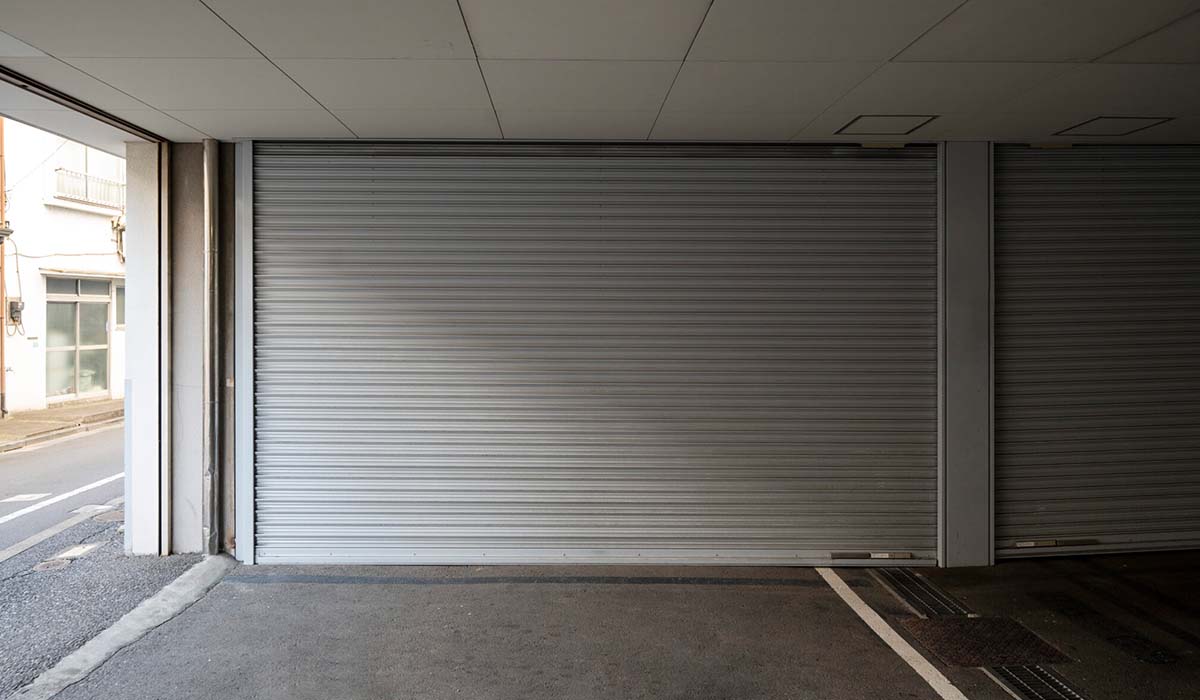
Commercial garage door systems are designed for industrial and business environments where heavy-duty performance is required. These systems are built to handle larger openings, frequent daily operation, and higher security demands.
Commercial garage doors are commonly used in:
- Warehouses
- Industrial facilities
- Loading docks
- Auto repair shops
- Distribution centers
- Retail storage facilities
- Fire stations
Unlike residential systems, commercial doors are engineered for constant use and demanding operating conditions.
Common Features of Commercial Garage Doors
Commercial garage doors typically include:
- Heavy-duty steel construction
- Reinforced tracks and hardware
- Industrial-grade motors
- Advanced safety systems
- High-cycle springs
These systems are built for durability and long-term operational efficiency rather than decorative appearance.
Key Differences Between Residential and Commercial Garage Door Systems
Although both types serve the same general purpose, there are several major differences between residential and commercial garage door systems.
1. Size and Weight
Residential garage doors are smaller and lighter because they are designed for passenger vehicles and standard home garages.
Commercial garage doors are significantly larger and heavier. Many commercial facilities require oversized doors to accommodate trucks, machinery, forklifts, and large equipment.
Due to their increased size, commercial systems require stronger hardware and more powerful operating systems.
2. Frequency of Use
Residential garage doors are typically used a few times each day.
Commercial garage doors often operate continuously throughout the day. In warehouses and industrial buildings, doors may open and close hundreds of times weekly.
Because of this high usage demand, commercial systems use heavy-duty components built for extended performance.
Routine garage door maintenance becomes especially important for commercial properties to minimize downtime and expensive repairs.
3. Construction Materials
Residential garage doors are designed to balance functionality with appearance. Materials commonly include:
- Steel
- Wood
- Aluminum
- Fiberglass
- Vinyl
Commercial systems focus primarily on strength and security. Most commercial doors are constructed from reinforced steel or industrial-grade aluminum for maximum durability.
These materials help commercial doors withstand harsh weather, impacts, and continuous operation.
4. Garage Door Openers
Residential garage door openers are smaller, quieter, and designed for convenience. Belt-drive systems are especially popular in homes because they reduce noise.
Commercial openers are much more powerful and designed to lift heavier doors safely and efficiently. These systems often include:
- Jackshaft operators
- Hoist operators
- Heavy-duty trolley systems
- High-cycle motors
Businesses experiencing opener problems should consider professional garage door opener services to maintain safe and reliable operation.
5. Safety and Security Requirements
Commercial garage door systems typically require more advanced safety features because they operate in busy environments with employees, delivery vehicles, and equipment.
Commercial systems may include:
- Motion detection sensors
- Emergency stop systems
- Fire-rated doors
- Reinforced locking systems
- Access control integration
Residential systems also include safety sensors and auto-reverse functions, but commercial environments generally require higher-level protection and compliance standards.
6. Insulation and Energy Efficiency
Many residential garage doors include insulated panels to improve indoor comfort and reduce energy costs, especially during Canadian winters.
Commercial insulation requirements vary depending on the building type. Climate-controlled warehouses and industrial facilities often require high R-value insulated doors to maintain temperature efficiency.
Insulated garage doors can help reduce heating and cooling expenses while improving overall energy efficiency.
7. Maintenance Needs
Commercial garage doors require more frequent servicing because of their heavy usage and larger mechanical systems.
Without proper maintenance, businesses may experience:
- Spring failures
- Cable damage
- Track misalignment
- Motor issues
- Unexpected downtime
Residential garage doors also benefit from routine inspections and repairs to extend system lifespan.
If cables begin fraying or snapping, immediate garage door cable repair is important to avoid further damage and safety risks.
Similarly, damaged springs should always be handled by professionals offering garage door spring repair services.
8. Cost Differences
Commercial garage door systems generally cost more than residential systems because they require:
- Larger doors
- Stronger materials
- Industrial-grade hardware
- Advanced safety systems
- More powerful motors
Residential systems are typically more affordable and provide greater flexibility in style and customization.
However, both residential and commercial property owners benefit from investing in high-quality garage door systems that offer long-term durability and reliability.
Choosing the Right Garage Door System
Choosing between a residential and commercial garage door depends on several factors, including:
- Daily usage frequency
- Door size requirements
- Security needs
- Insulation goals
- Budget
- Building type
Residential systems are ideal for homeowners seeking convenience, appearance, and moderate daily use.
Commercial systems are better suited for businesses that require high-performance operation, durability, and advanced security.
Working with experienced garage door professionals helps ensure the right system is selected for your specific property needs.
Signs Your Garage Door System Needs Attention
Both residential and commercial systems eventually develop wear and tear over time.
Some common warning signs include:
- Loud grinding noises
- Slow response times
- Uneven movement
- Door imbalance
- Damaged springs or cables
- Off-track doors
- Opener malfunctions
Ignoring these issues can lead to larger repairs, safety hazards, and unexpected breakdowns.
Professional inspections help identify problems early and keep garage door systems operating smoothly.
Conclusion
Residential and commercial garage door systems are designed for very different operating demands. Residential doors focus on aesthetics, comfort, and convenience, while commercial systems prioritize durability, security, and heavy-duty performance.
Understanding these differences allows homeowners and business owners to make informed decisions about installation, maintenance, and repairs.
Whether you need maintenance, spring replacement, cable repair, or opener solutions, FixinBudget provides reliable garage door services designed to keep both residential and commercial systems operating safely and efficiently.
